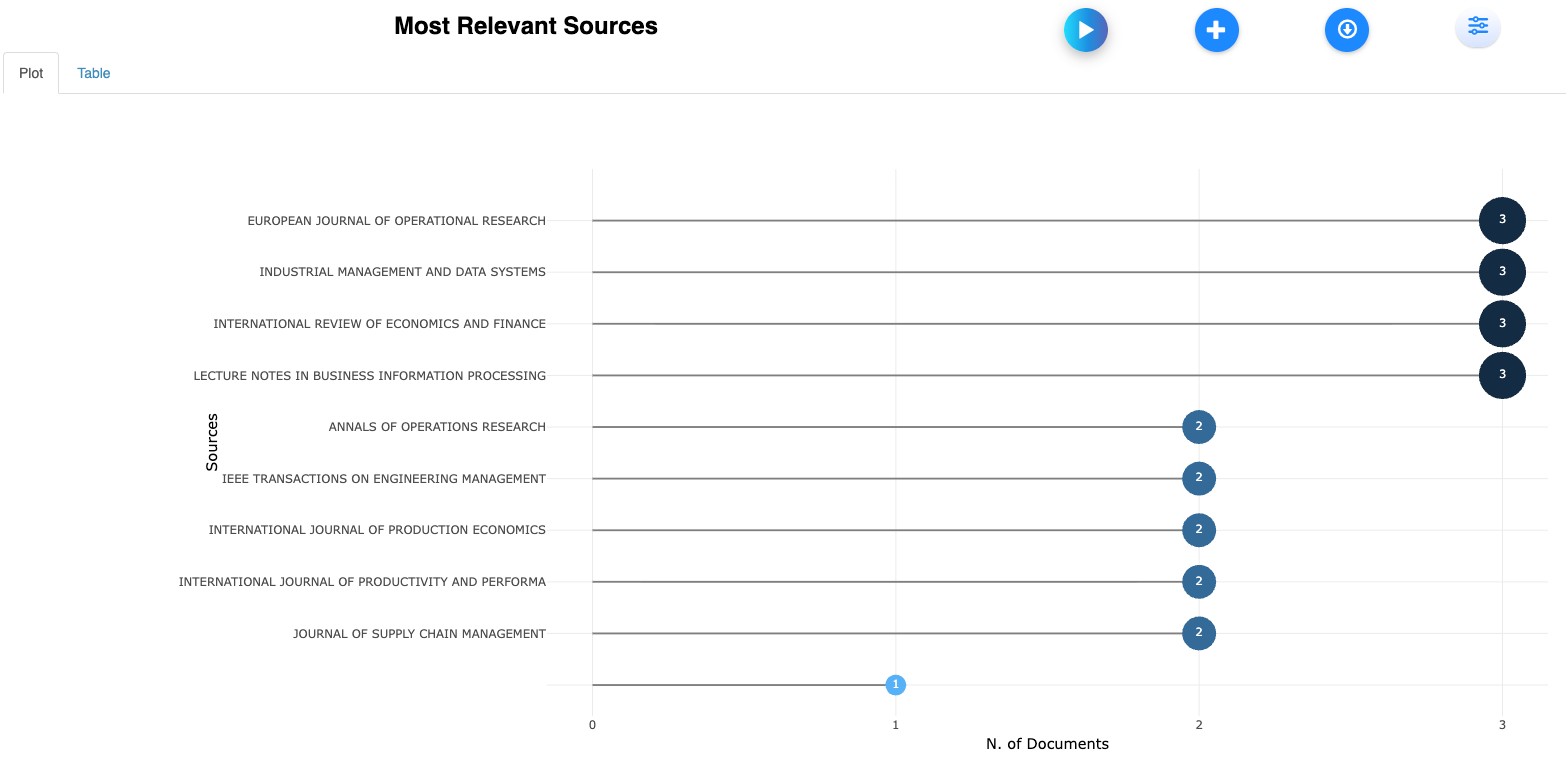
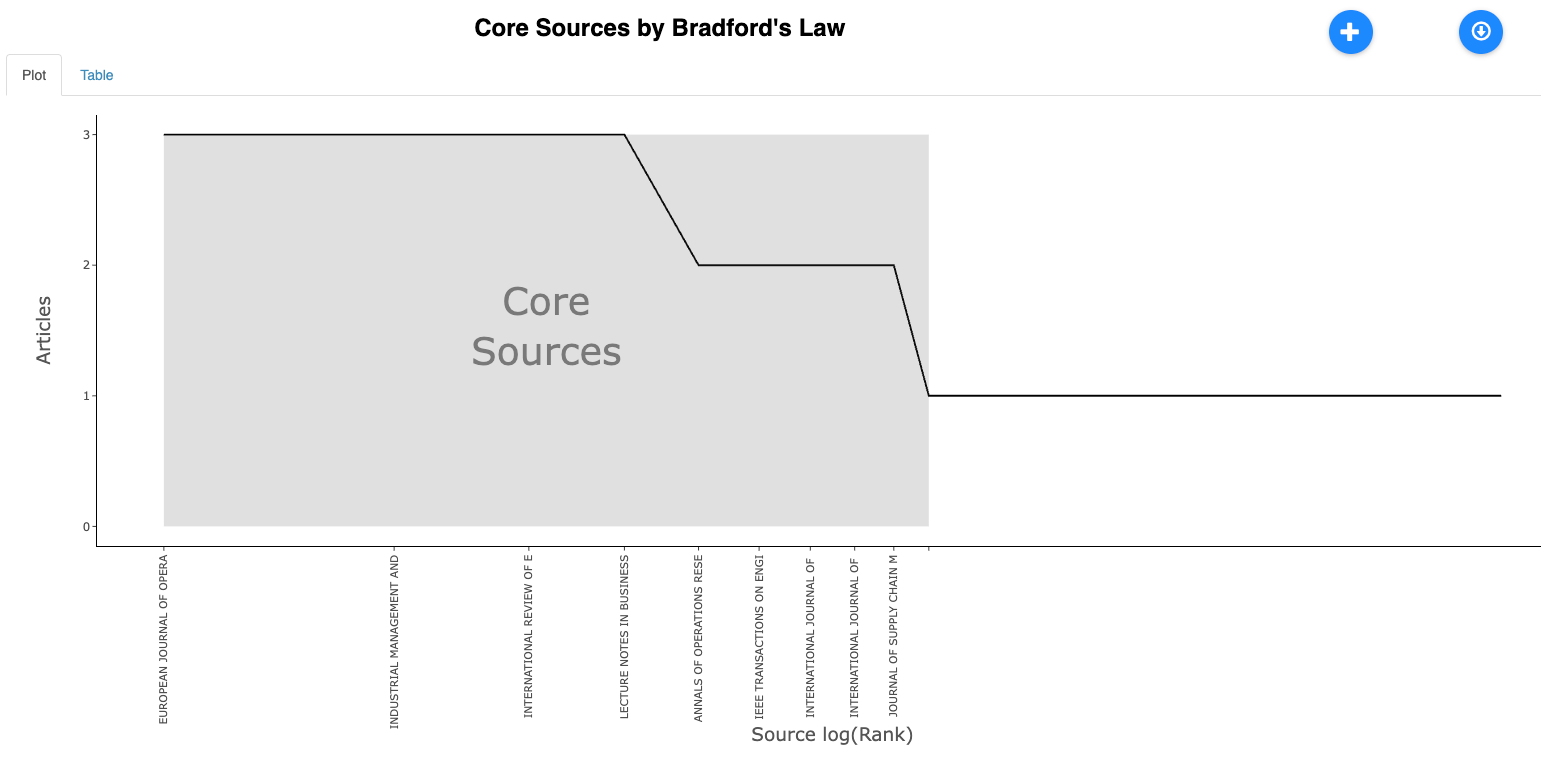
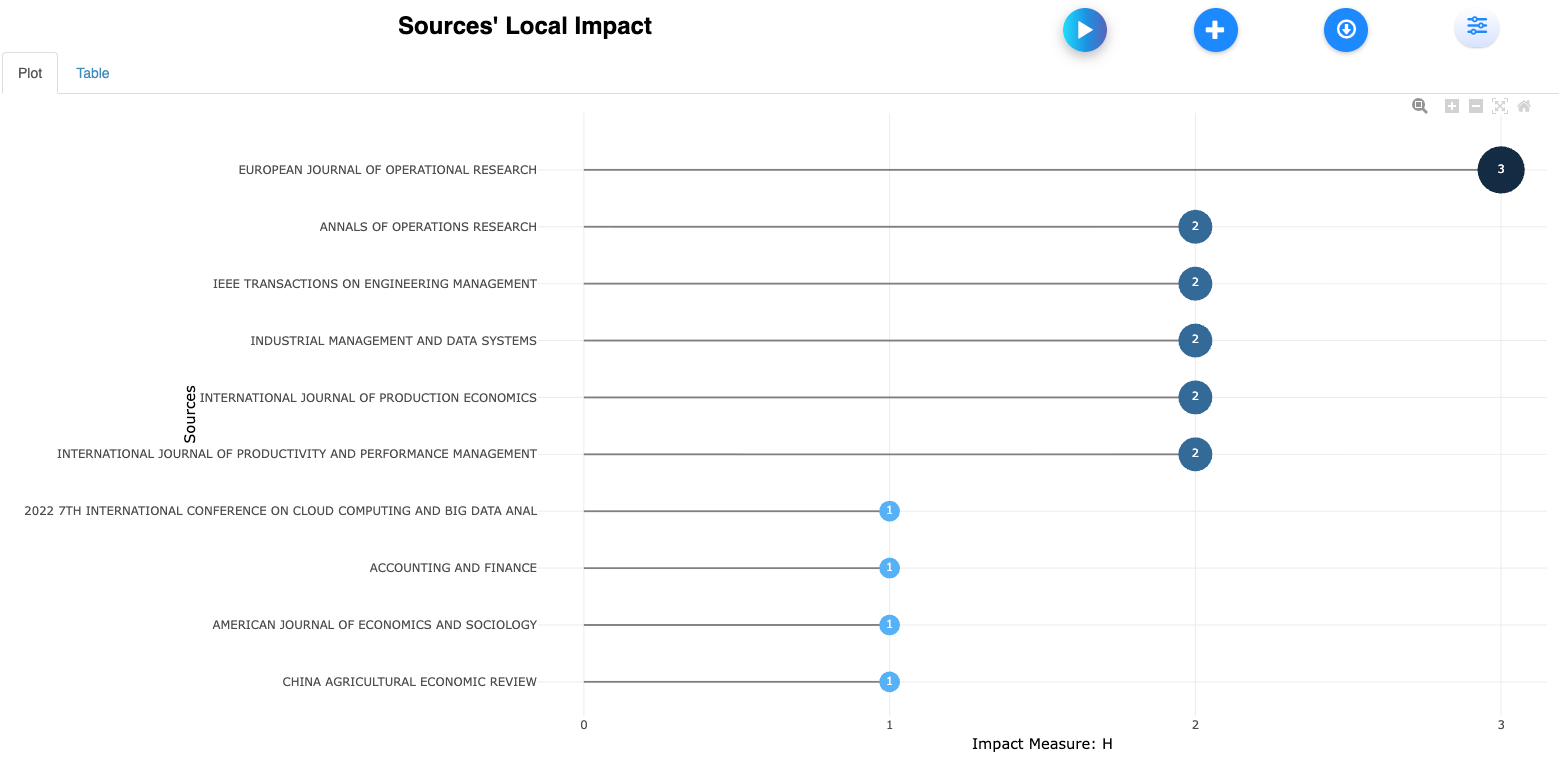
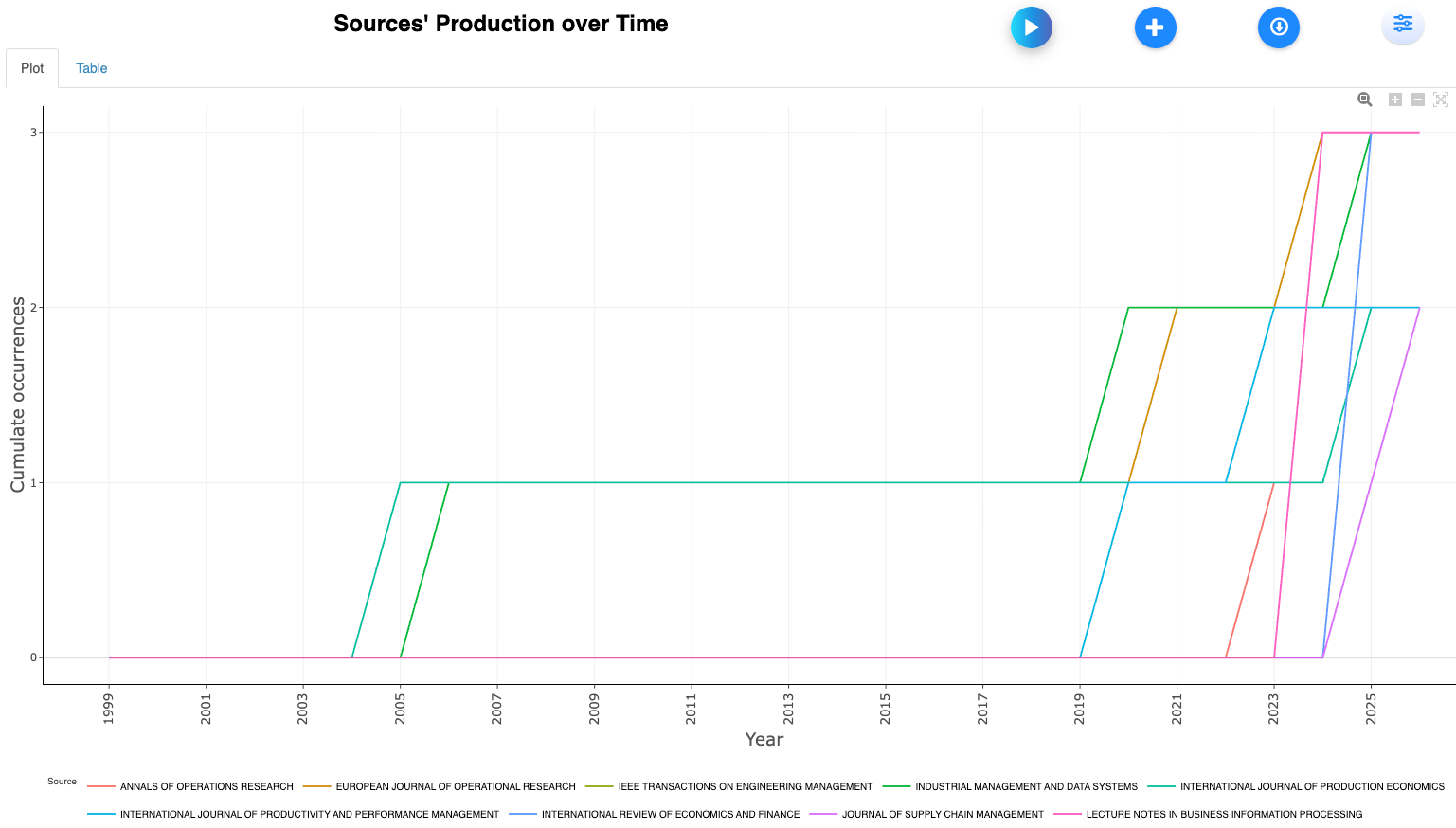
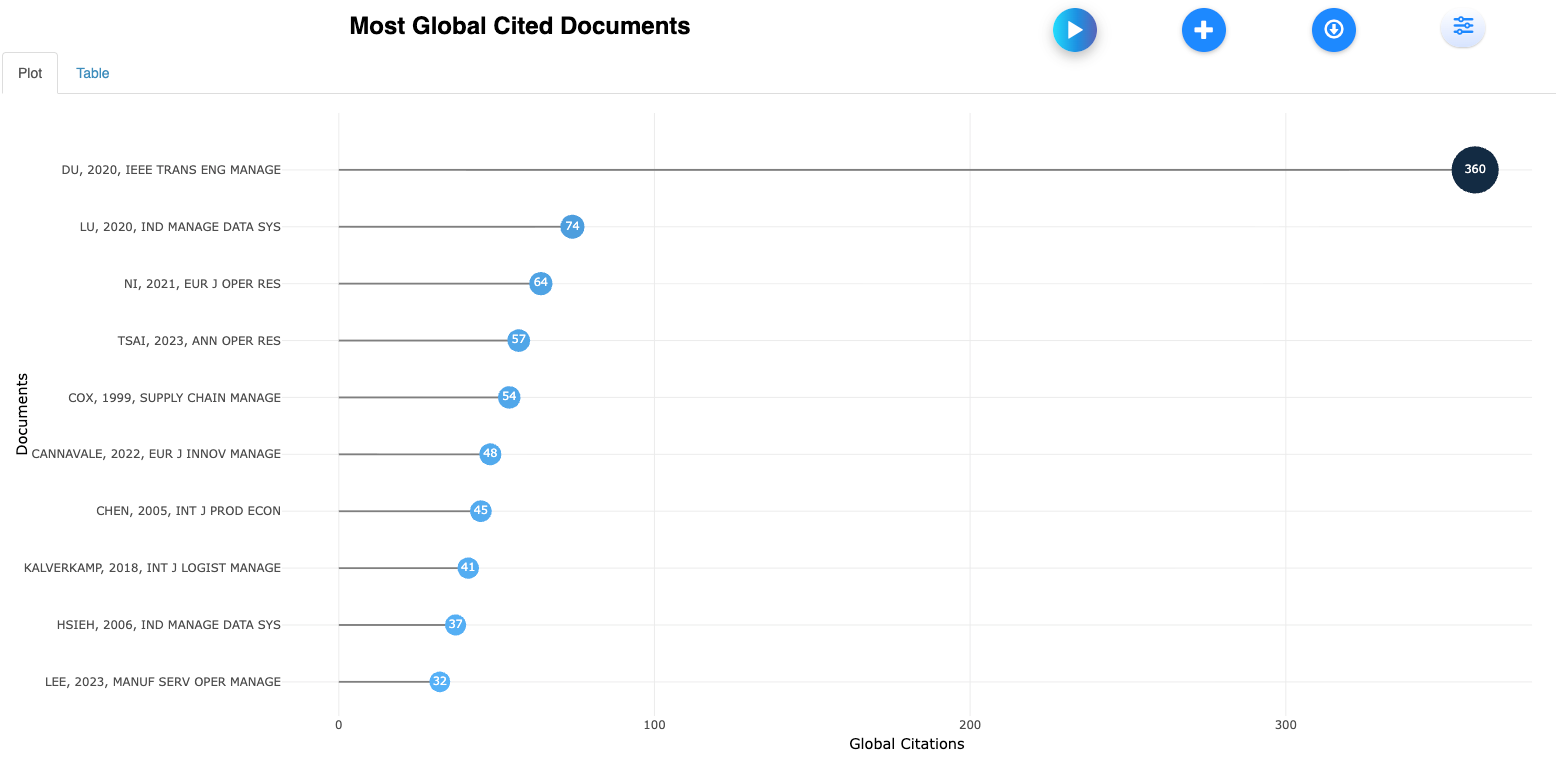
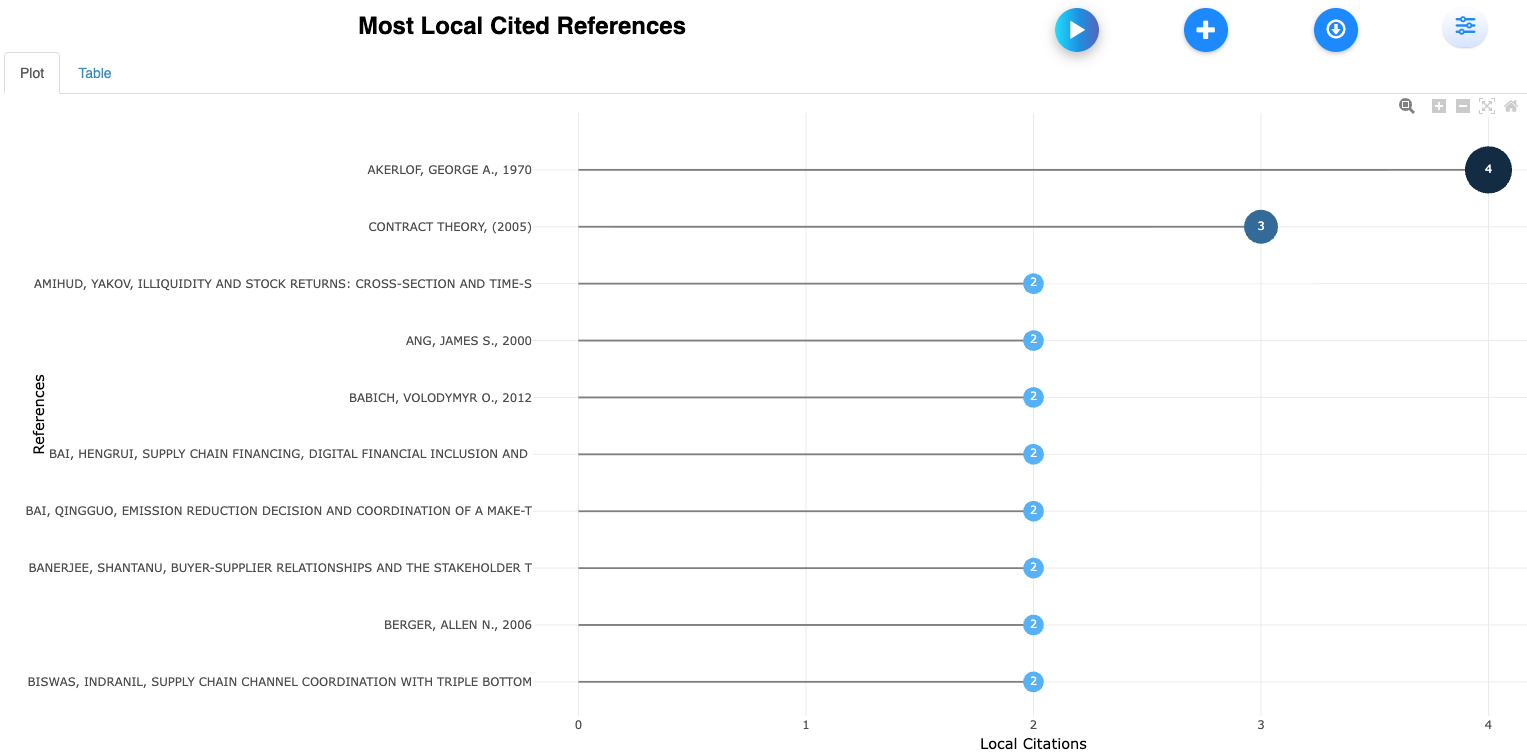
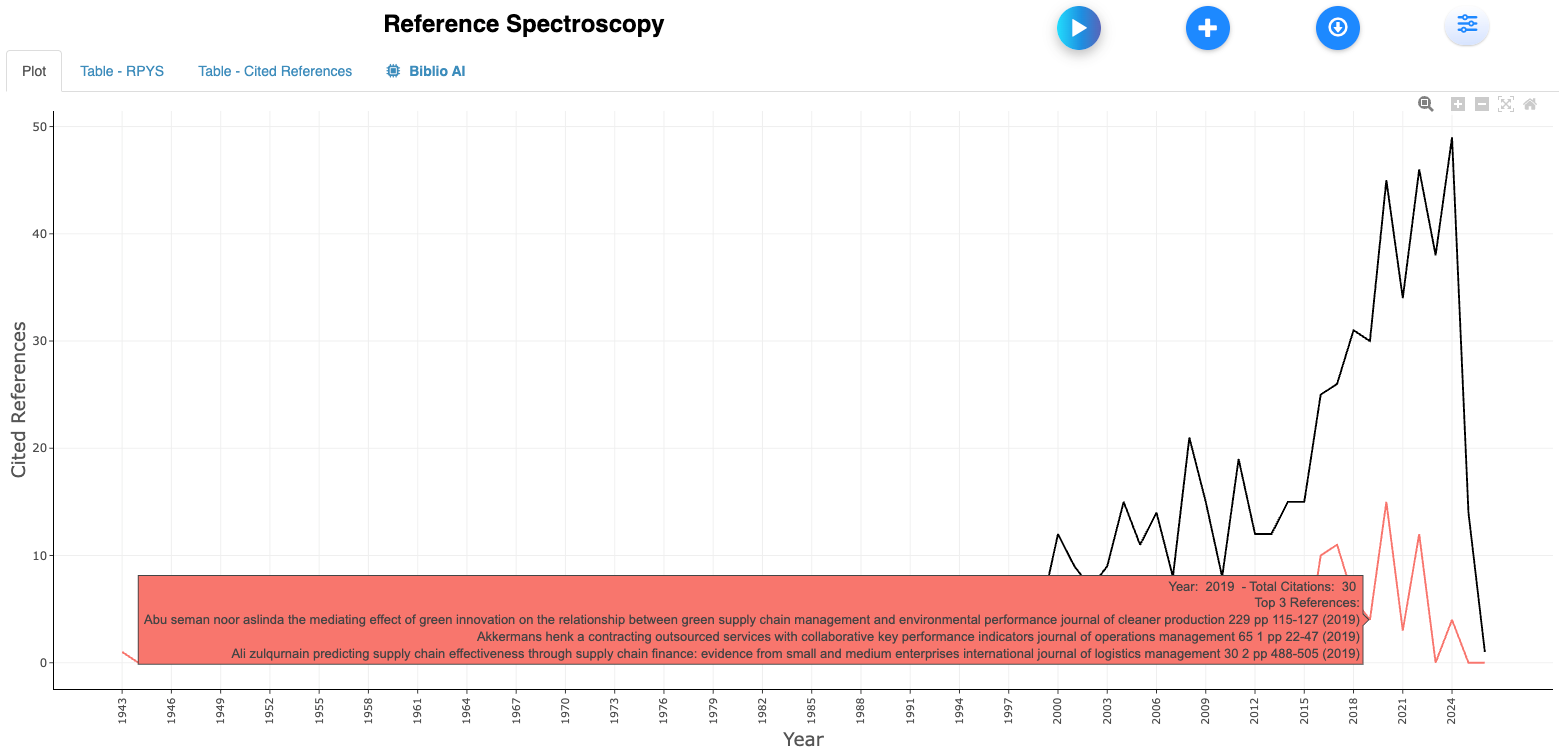
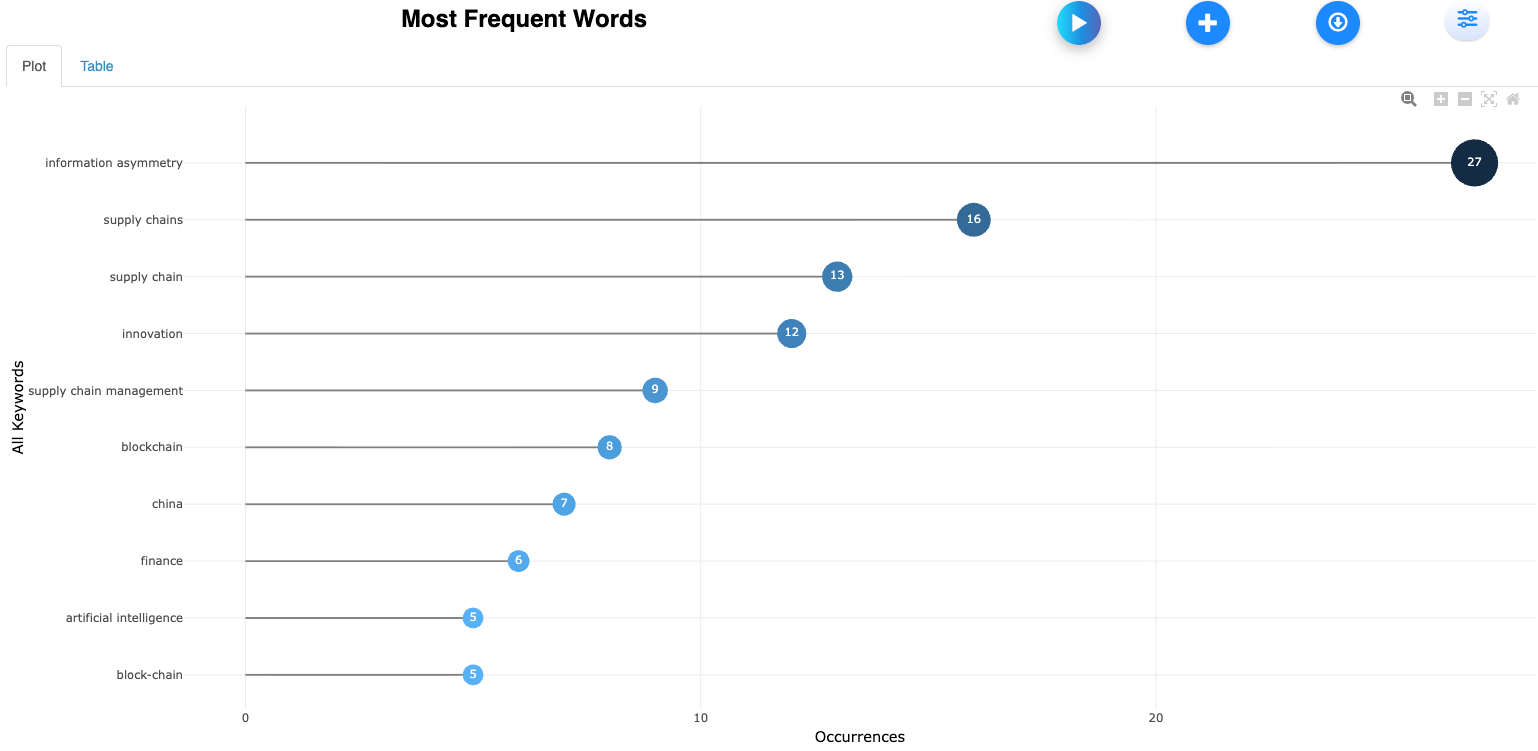
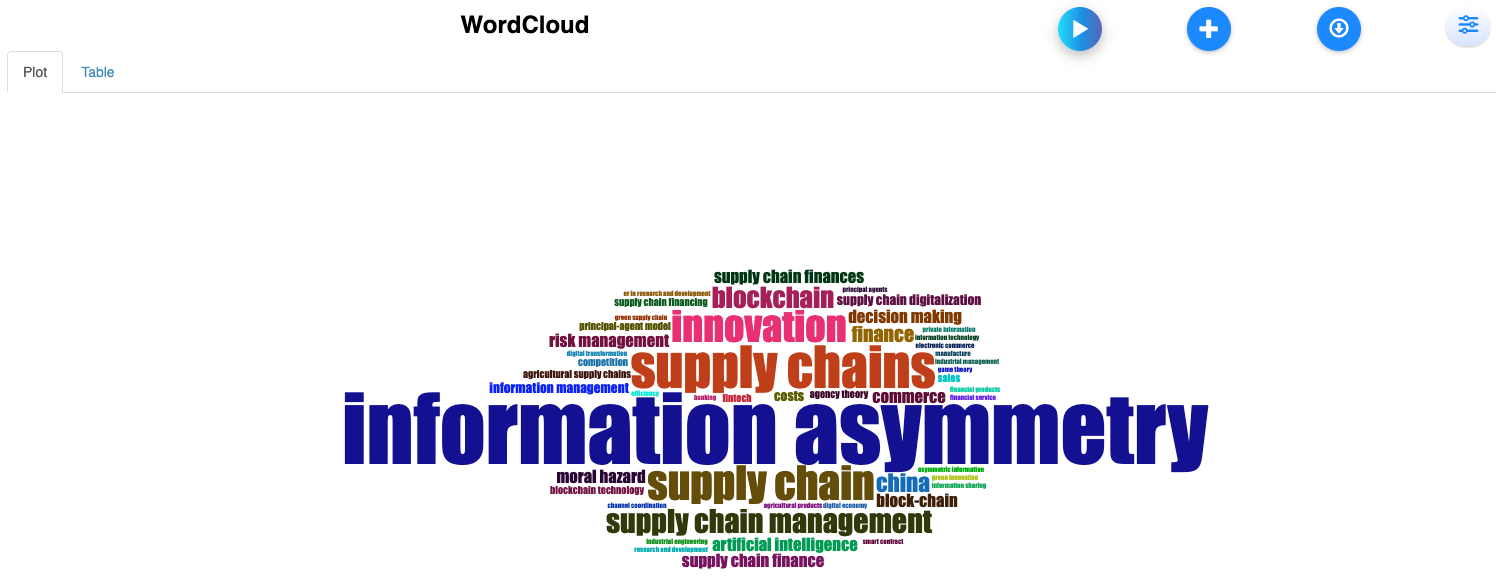
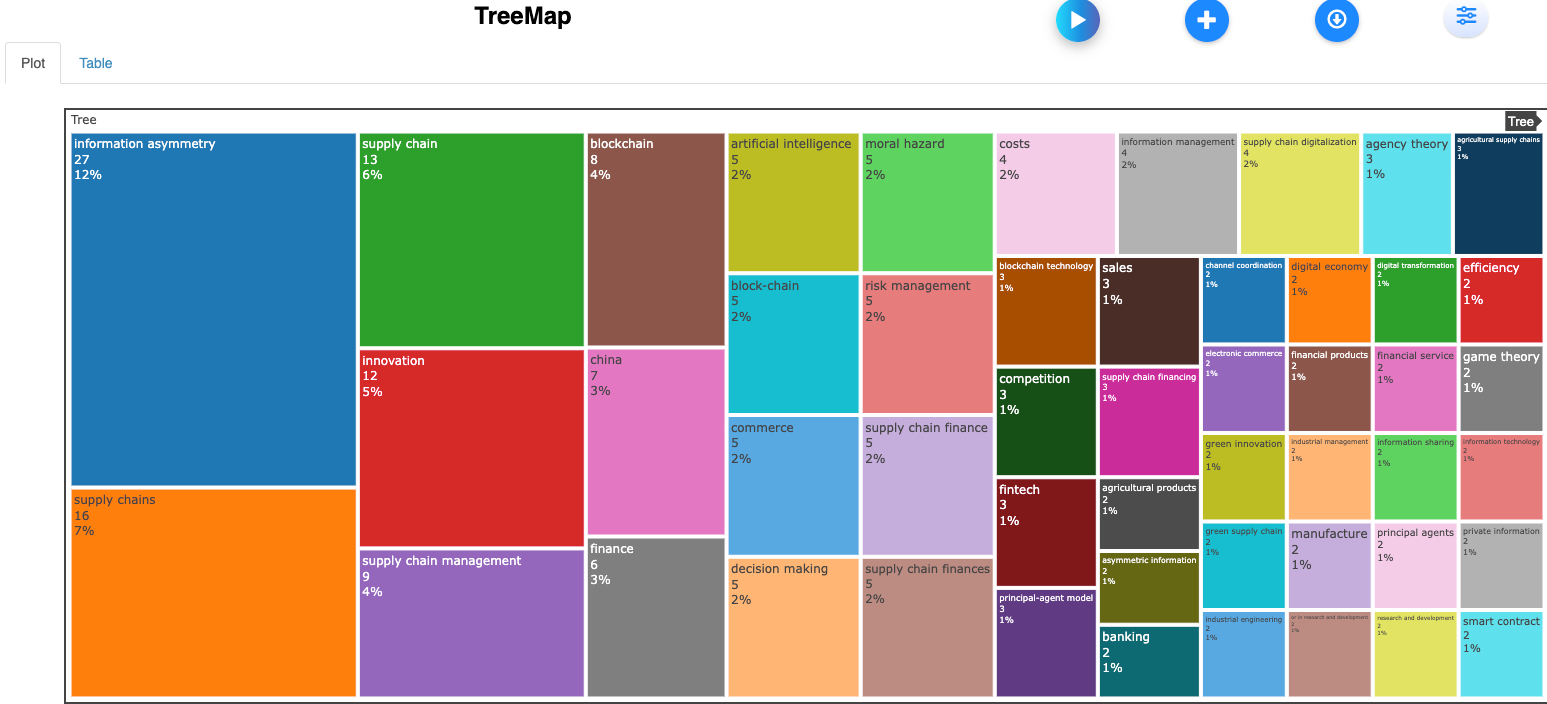
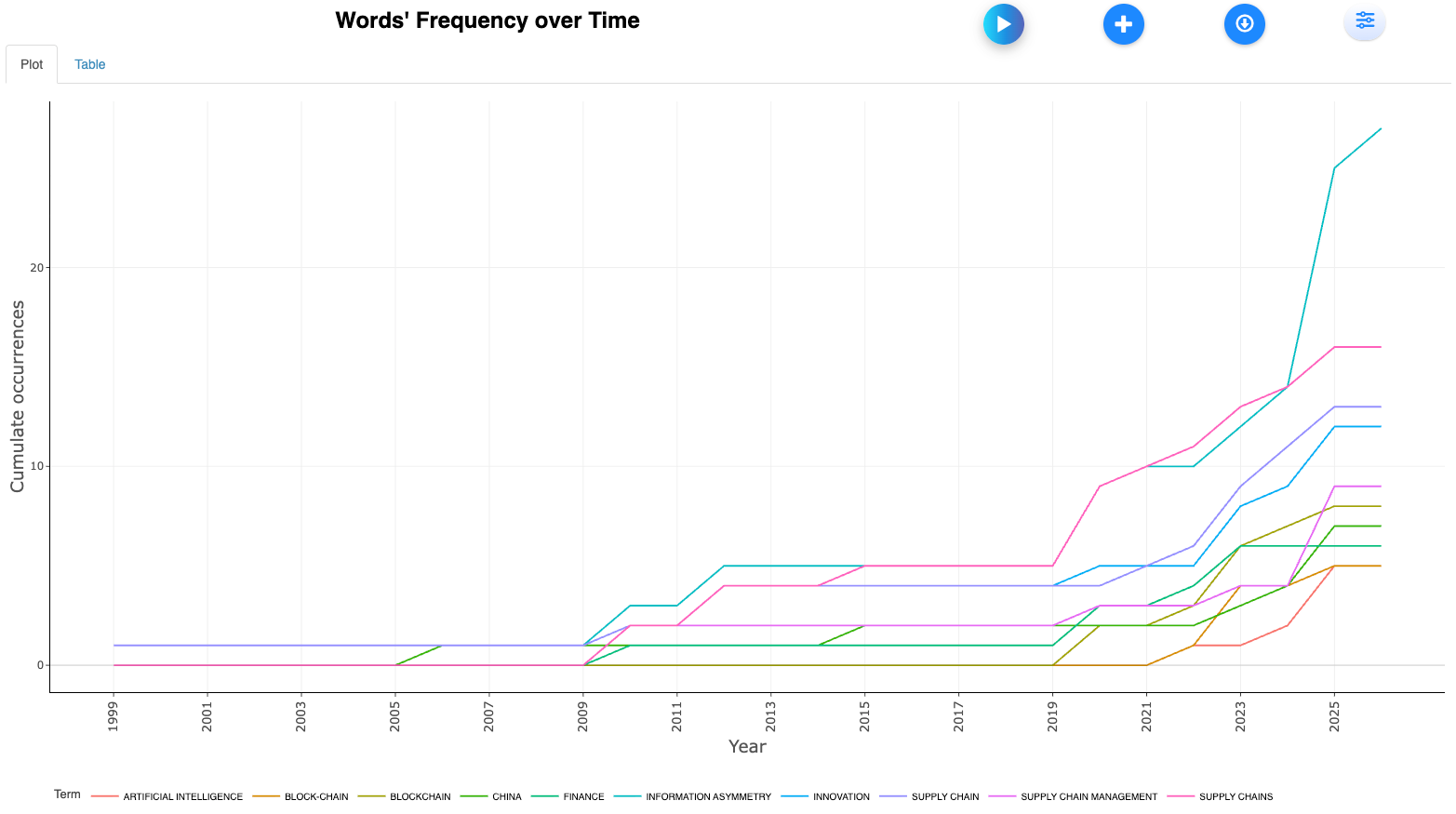
Bibliometrix {“information asymmetry” AND “innovation” AND “supply chain”} sources: Business & Economics
Bibliometric Mapping of Information Asymmetry, Digital Product Passports, and Circular Supply Chains
A Bibliometrix (R) Analysis via Biblioshiny
Understanding how Digital Product Passports (DPPs) intersect with information asymmetry and circular economy innovation requires more than conceptual discussion. It requires mapping the intellectual structure of the field.
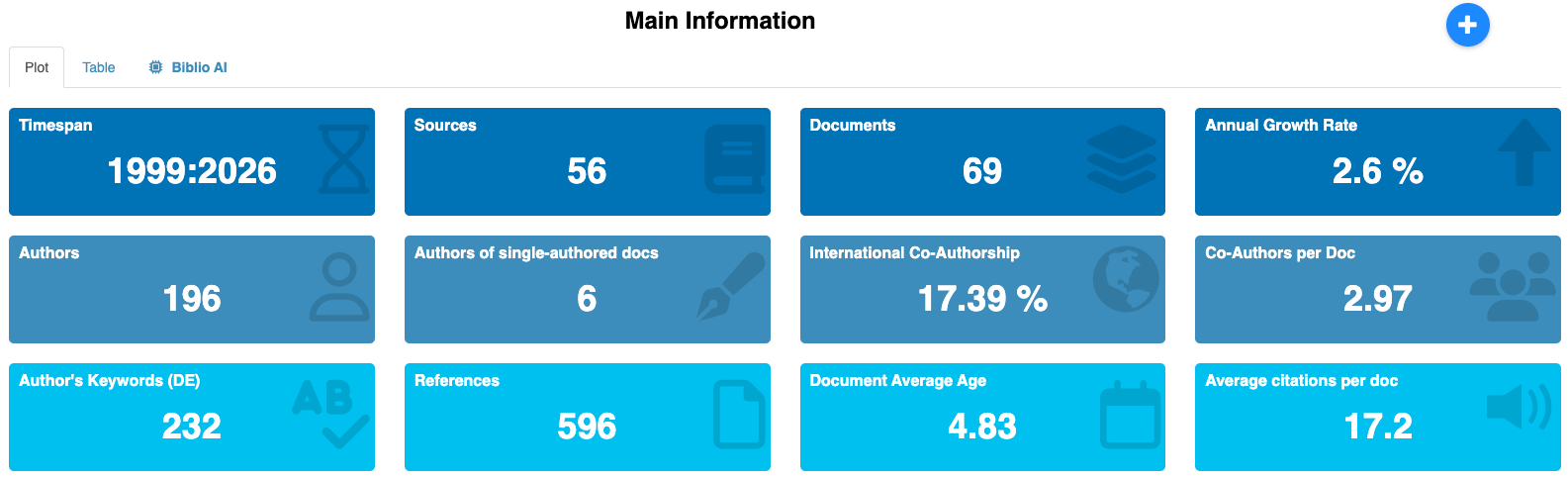
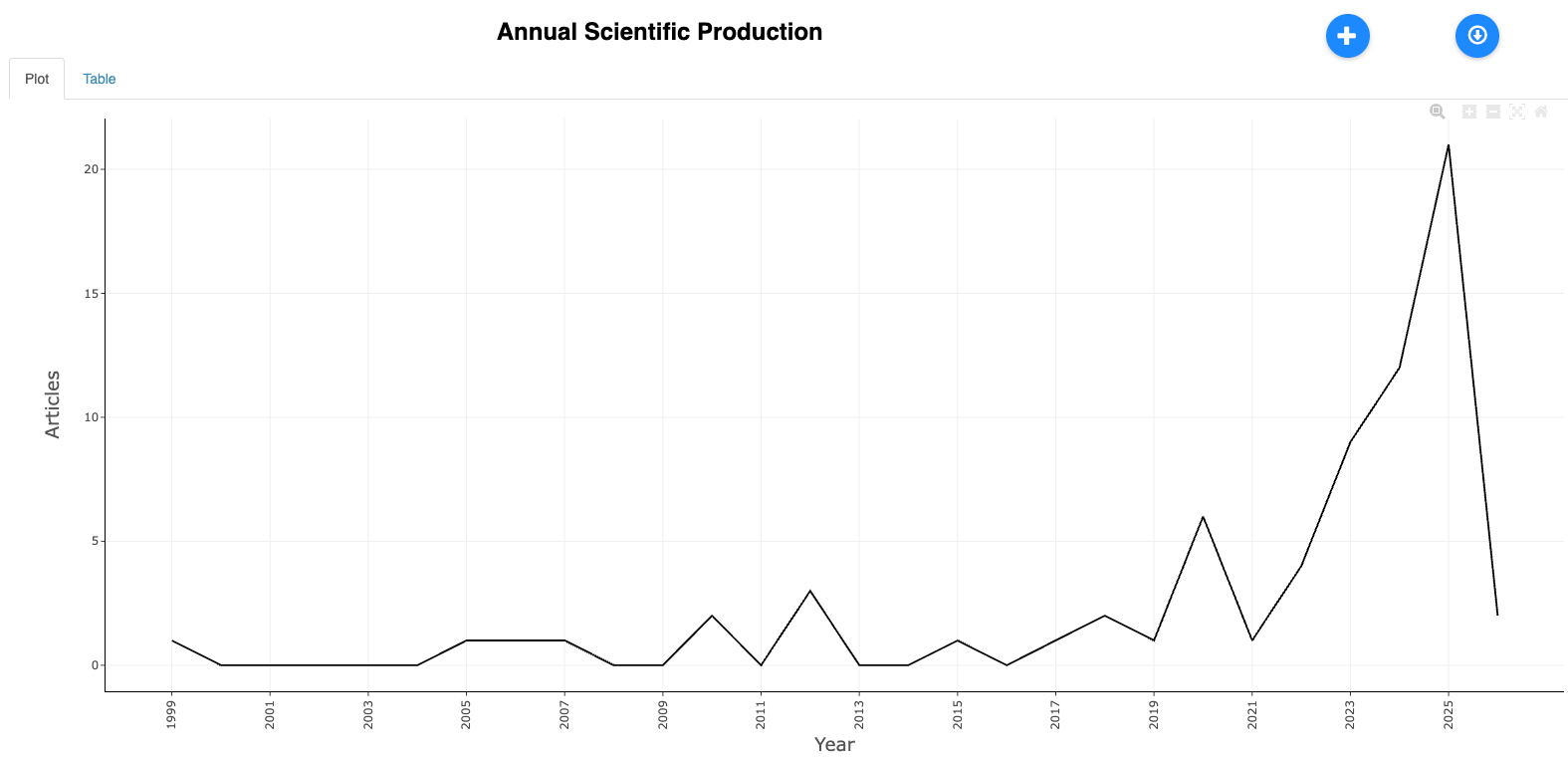
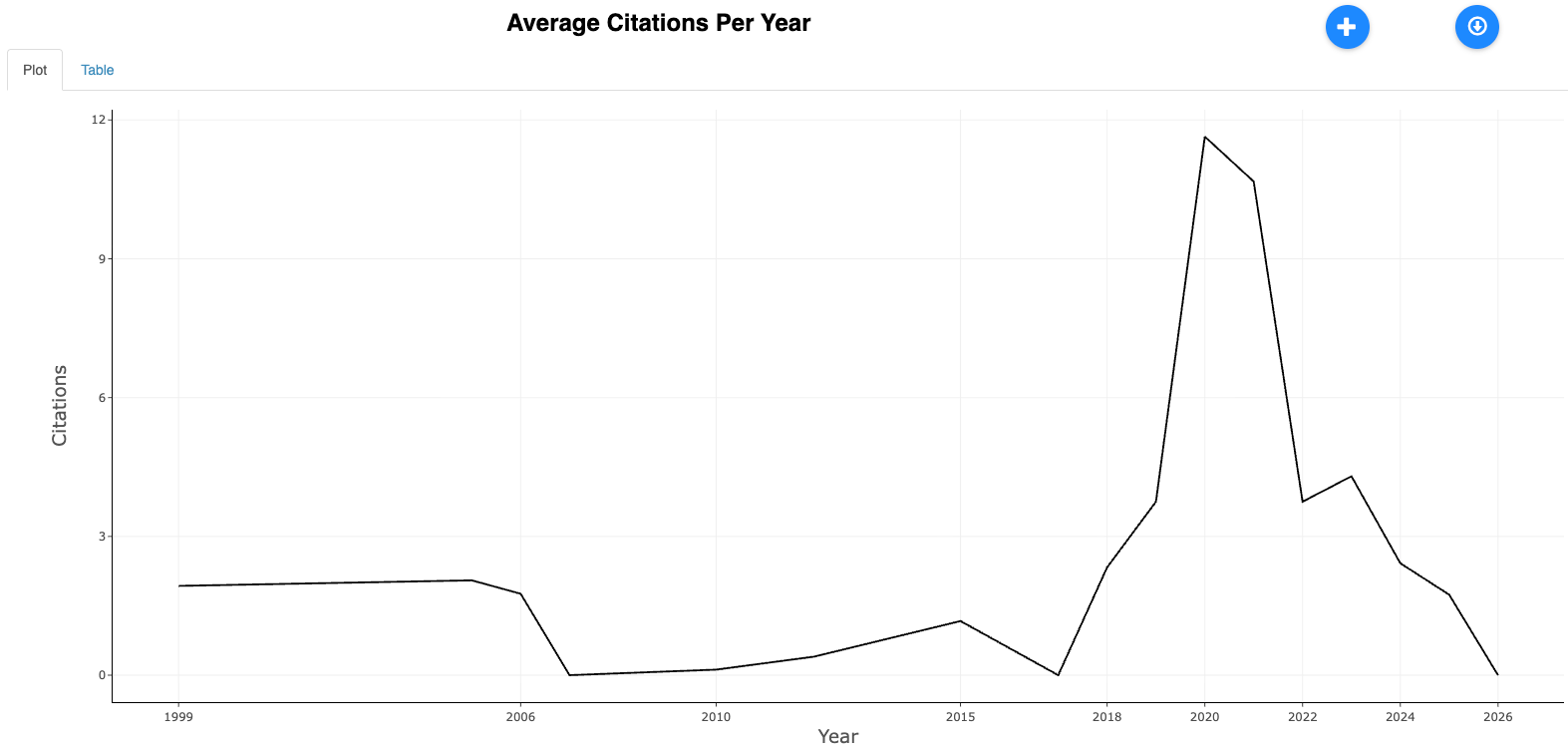
Using the Bibliometrix R package and its Biblioshiny interface, I conducted a large-scale bibliometric analysis of peer-reviewed research in business, economics, and supply chain management. The following visualizations reveal how knowledge on information asymmetry, innovation, and digital traceability systems has evolved — and where Digital Product Passports are positioned within this emerging scientific architecture.
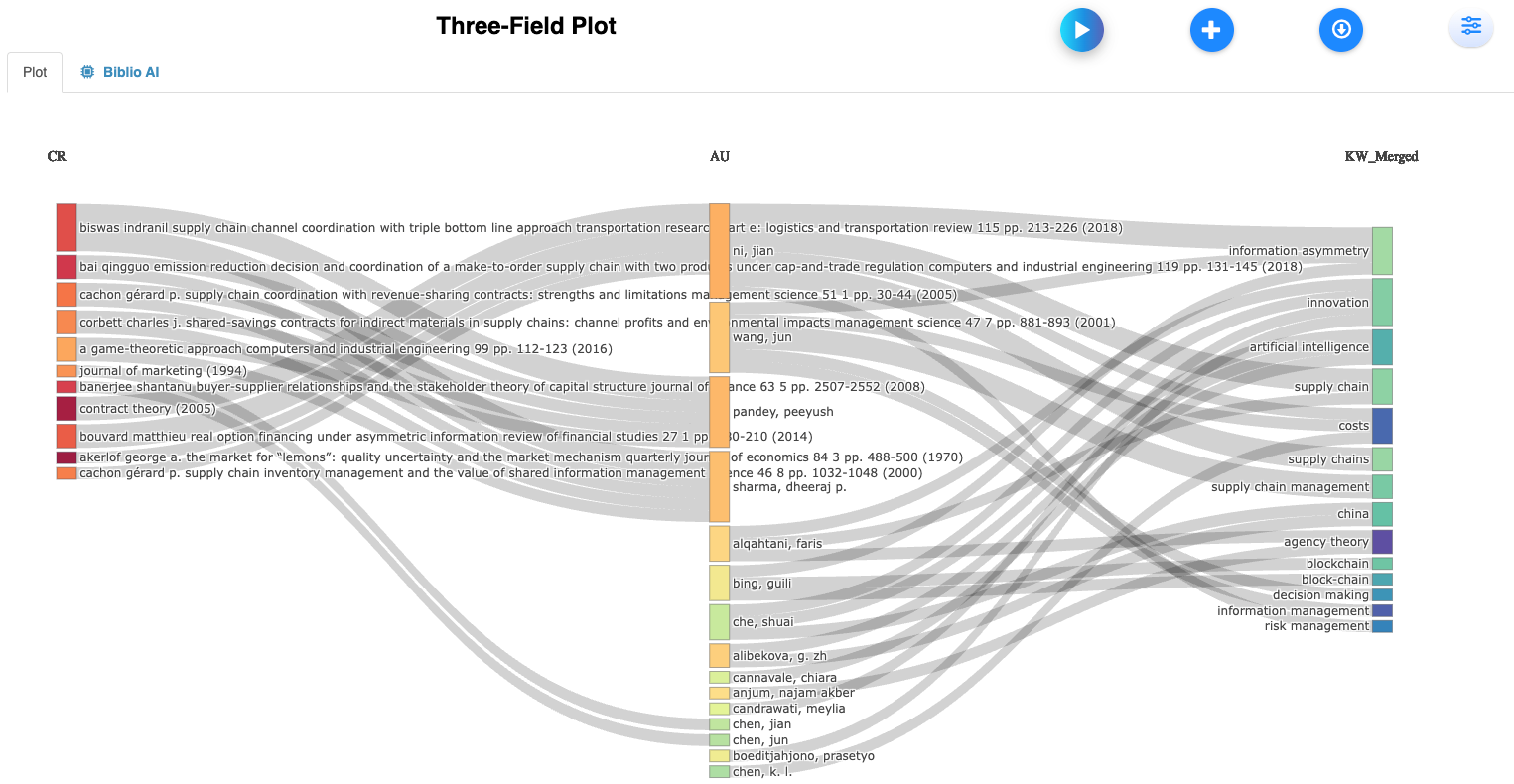
1. Three-Fields Plot: Intellectual Structure of the Field


The Three-Fields Plot connects:
-
Authors
-
Keywords
-
Journals
This Sankey-style diagram reveals how leading scholars bridge concepts such as:
-
Information asymmetry
-
Supply chain transparency
-
Circular economy
-
Sustainability innovation
-
Digital traceability
Key Insight
The visualization shows that research on information asymmetry has traditionally been rooted in economic theory but is increasingly linked to:
-
Sustainable supply chain governance
-
Digital platforms
-
Data-sharing infrastructures
-
Circular business models
Digital Product Passports emerge at the intersection of data governance, supply chain coordination, and institutional innovation — confirming that DPPs are not merely technical tools but structural mechanisms for reducing transaction costs and uncertainty.
This is precisely where my research agenda is positioned: at the interface of data infrastructures and circular market transformation.
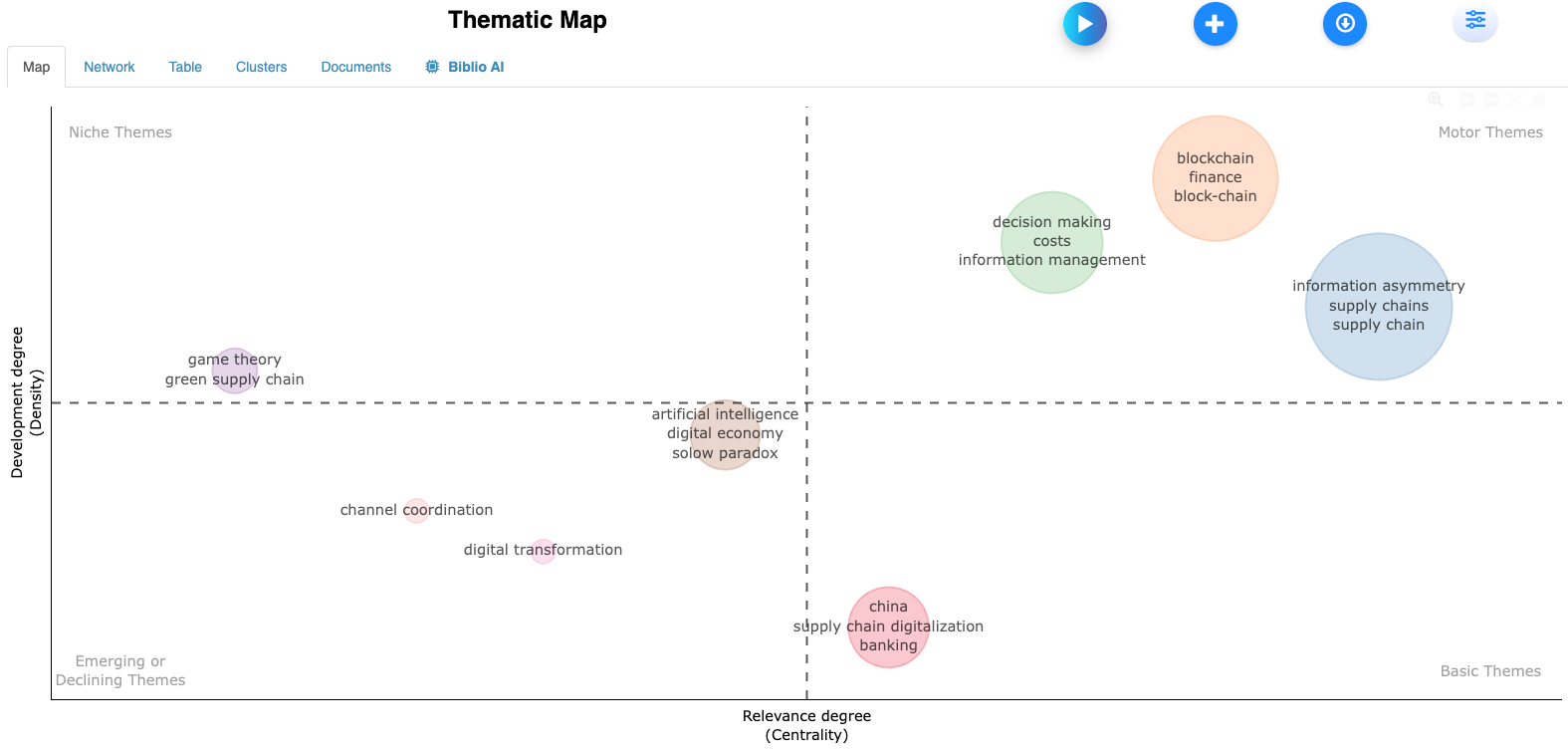
2. Thematic Map: Motor Themes and Emerging Research Frontiers


The Thematic Map classifies topics based on:
-
Centrality (relevance within the field)
-
Density (development level)
It identifies four quadrants:
-
Motor Themes (well-developed & central)
-
Basic Themes (important but underdeveloped)
-
Niche Themes (specialized, internally strong)
-
Emerging/Declining Themes
What the Map Reveals
-
Sustainable supply chain management and innovation systems appear as motor themes.
-
Information asymmetry operates as a foundational theoretical construct.
-
Digital traceability and blockchain-enabled transparency are shifting from emerging to structurally central topics.
-
Digital Product Passports are evolving into a bridging governance mechanism connecting circular economy regulation and industrial competitiveness.
This confirms that DPPs are not isolated regulatory artifacts — they represent a systemic reconfiguration of information structures in markets.
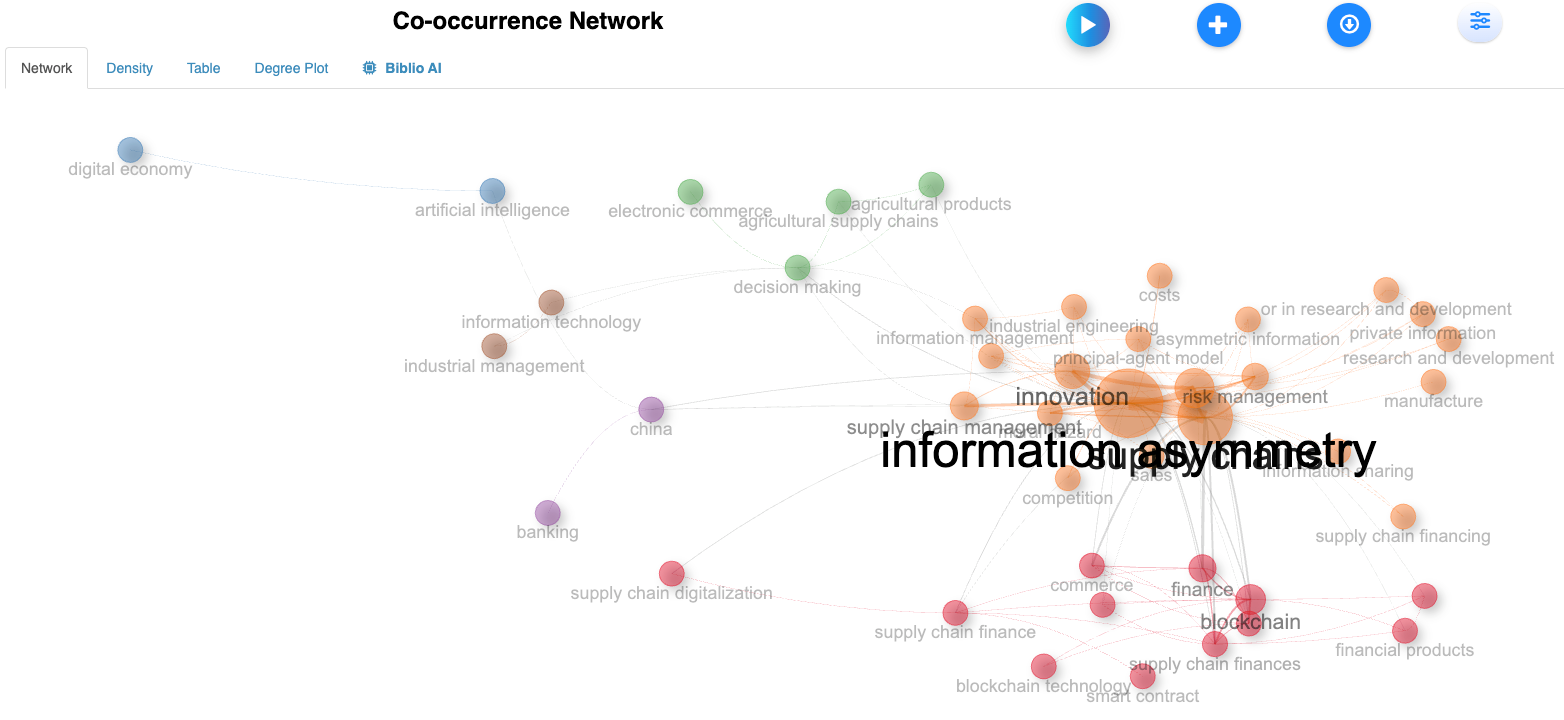
3. Keyword Co-Occurrence Network: Knowledge Clusters


The Co-Occurrence Network maps how frequently keywords appear together.
Clusters reveal conceptual ecosystems such as:
-
Cluster A: Information asymmetry – signaling – principal-agent theory – governance
-
Cluster B: Circular economy – sustainability – resource efficiency – eco-innovation
-
Cluster C: Digitalization – blockchain – data transparency – supply chain traceability
Digital Product Passports function as an integrative node between these clusters, linking:
-
Economic theory
-
Technological infrastructures
-
Policy-driven sustainability transitions
This reinforces the hypothesis that DPPs mitigate:
-
Information asymmetry
-
Transaction costs
-
Trust deficits in circular markets
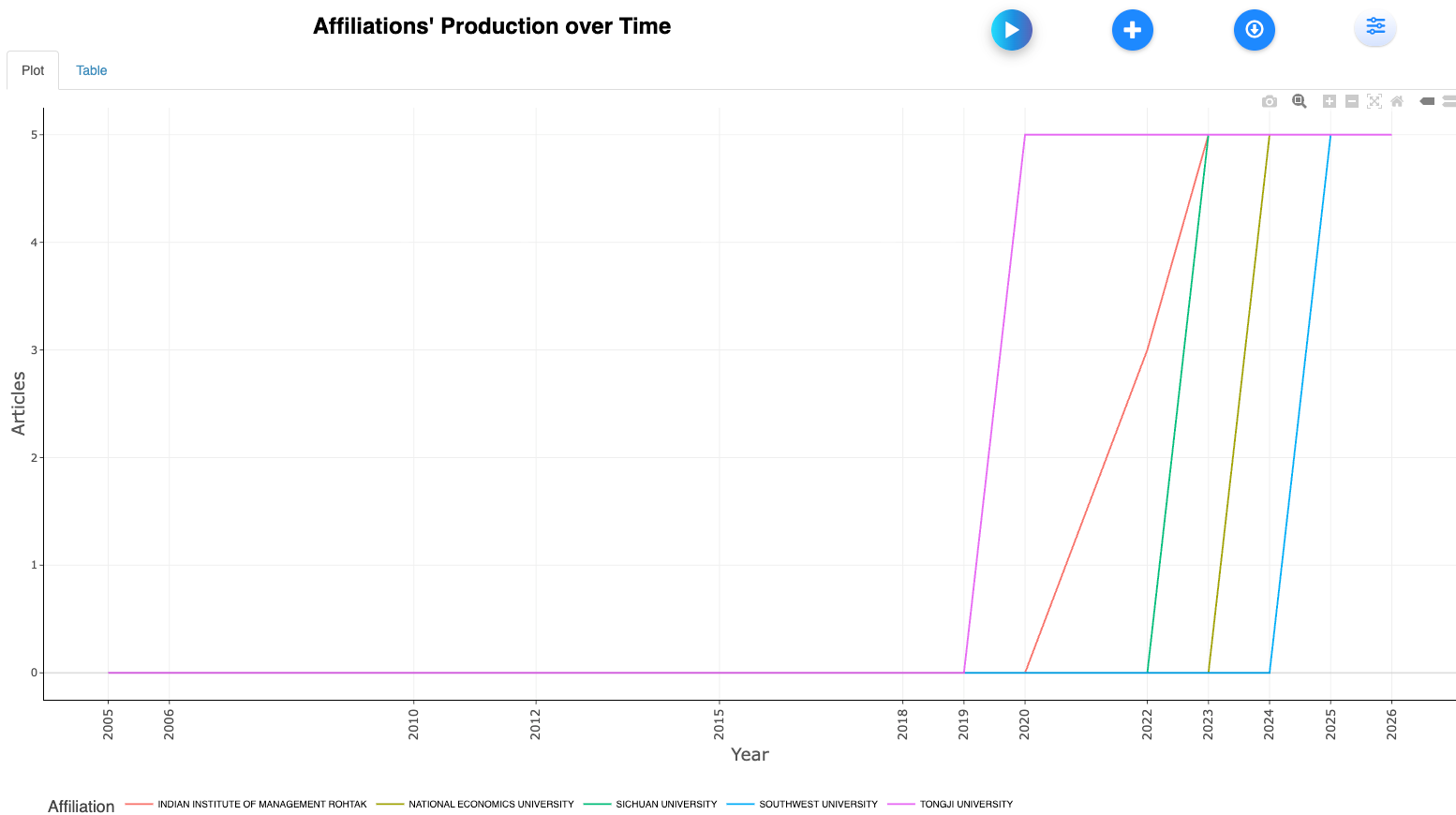
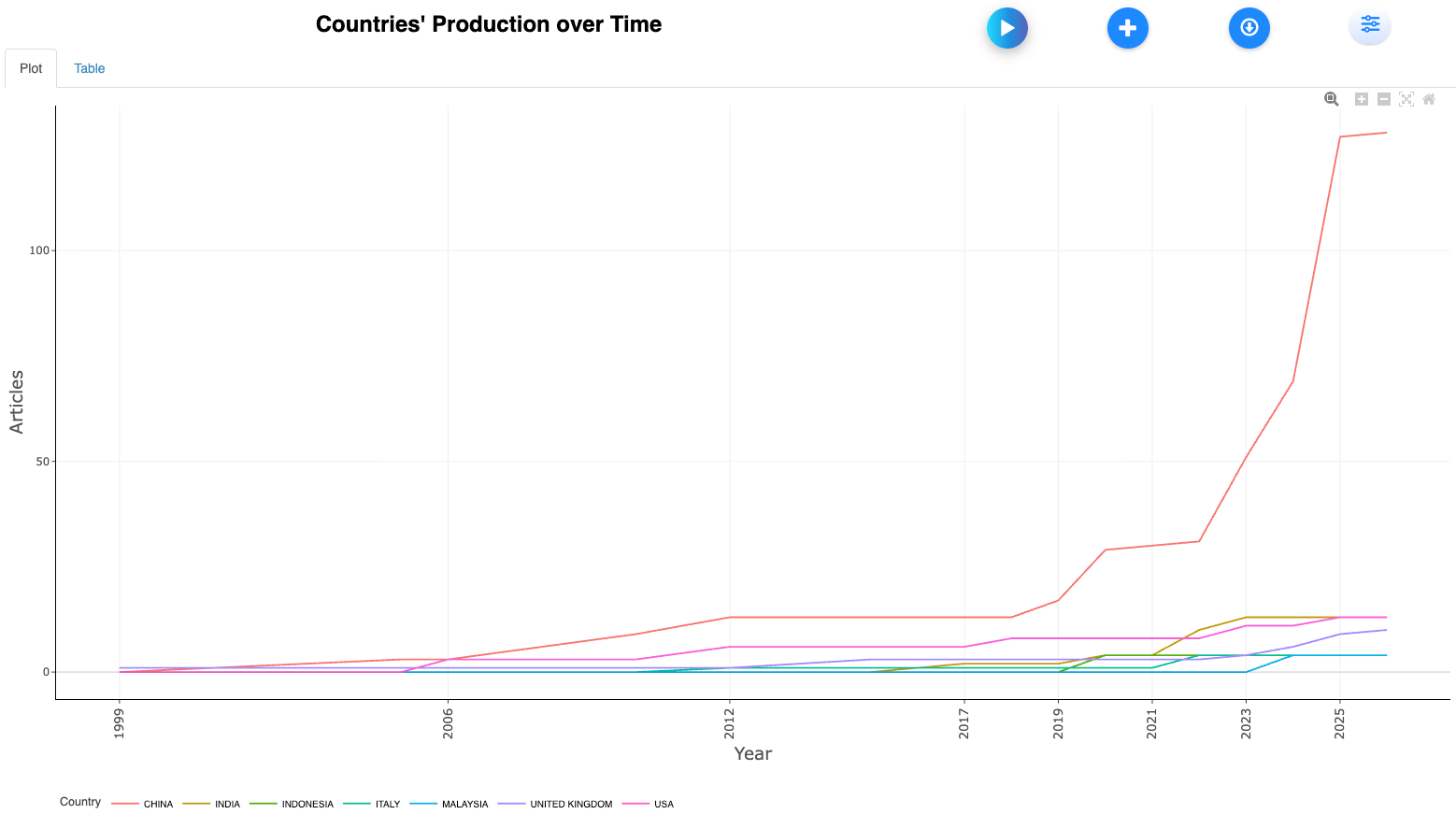
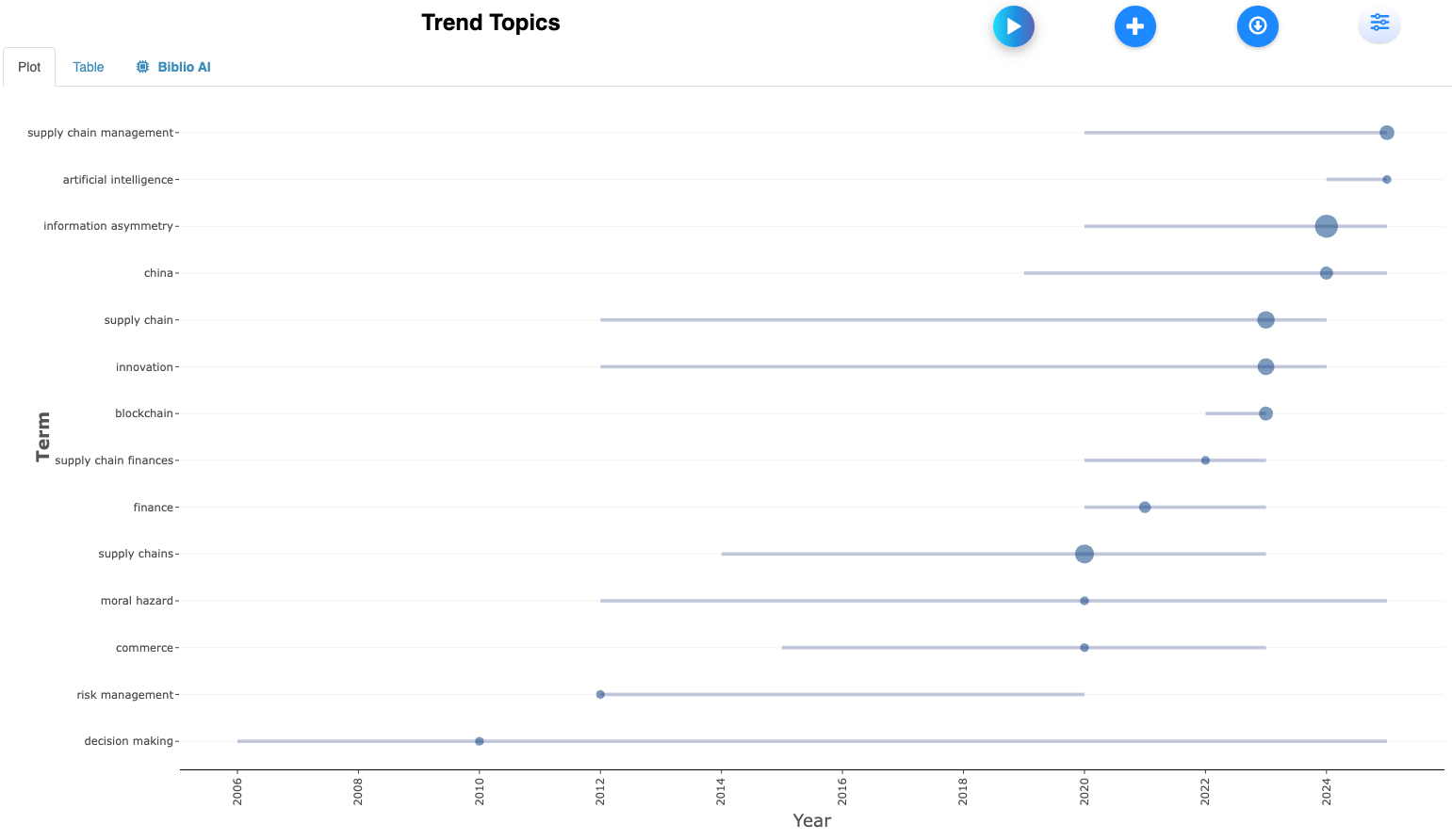
4. Trend Topics: Temporal Evolution of Research


The Trend Topics analysis tracks keyword prominence over time.
Observed Evolution
Early 2000s:
-
Information asymmetry
-
Agency theory
-
Market signaling
2010–2018:
-
Sustainable supply chains
-
Corporate social responsibility
-
Governance frameworks
2019–Present:
-
Digitalization
-
Blockchain
-
Data governance
-
Circular economy regulation
-
Digital Product Passports (emerging acceleration)
The acceleration of digital governance topics after 2019 reflects the regulatory push in the European Union, particularly under the Ecodesign for Sustainable Products Regulation (ESPR).
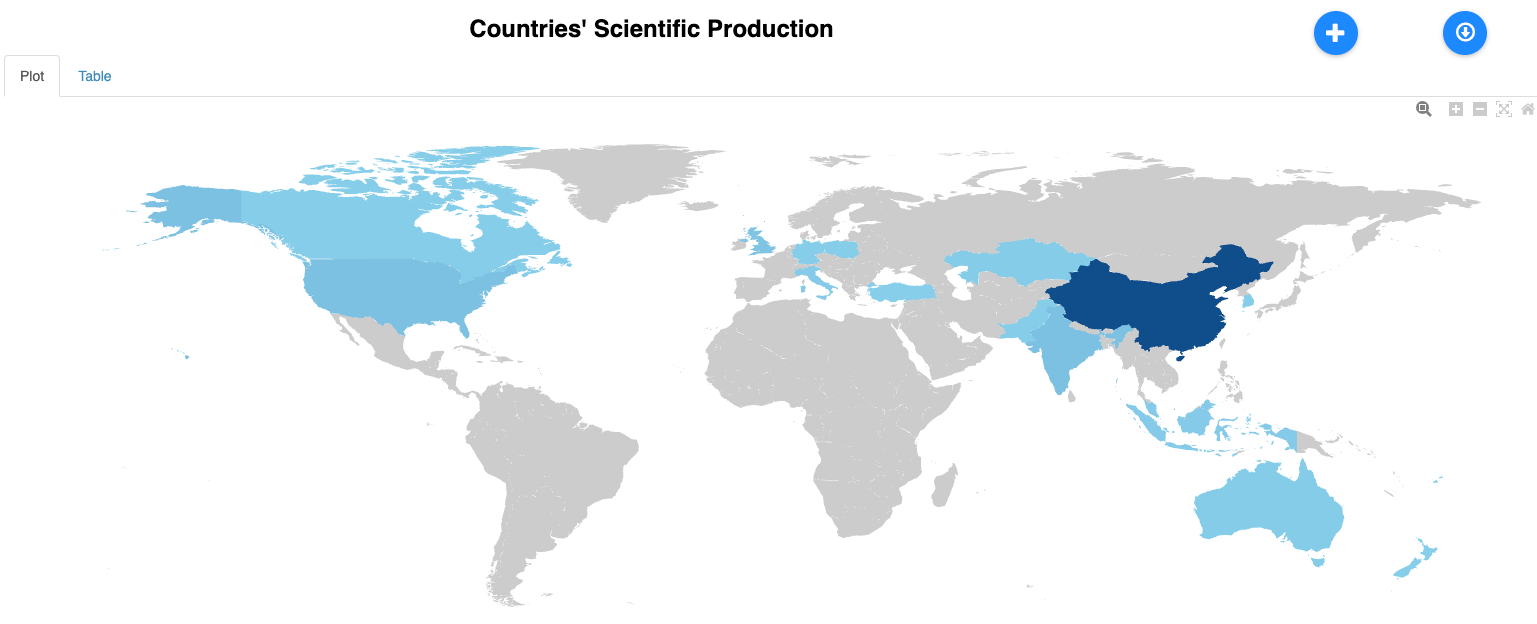
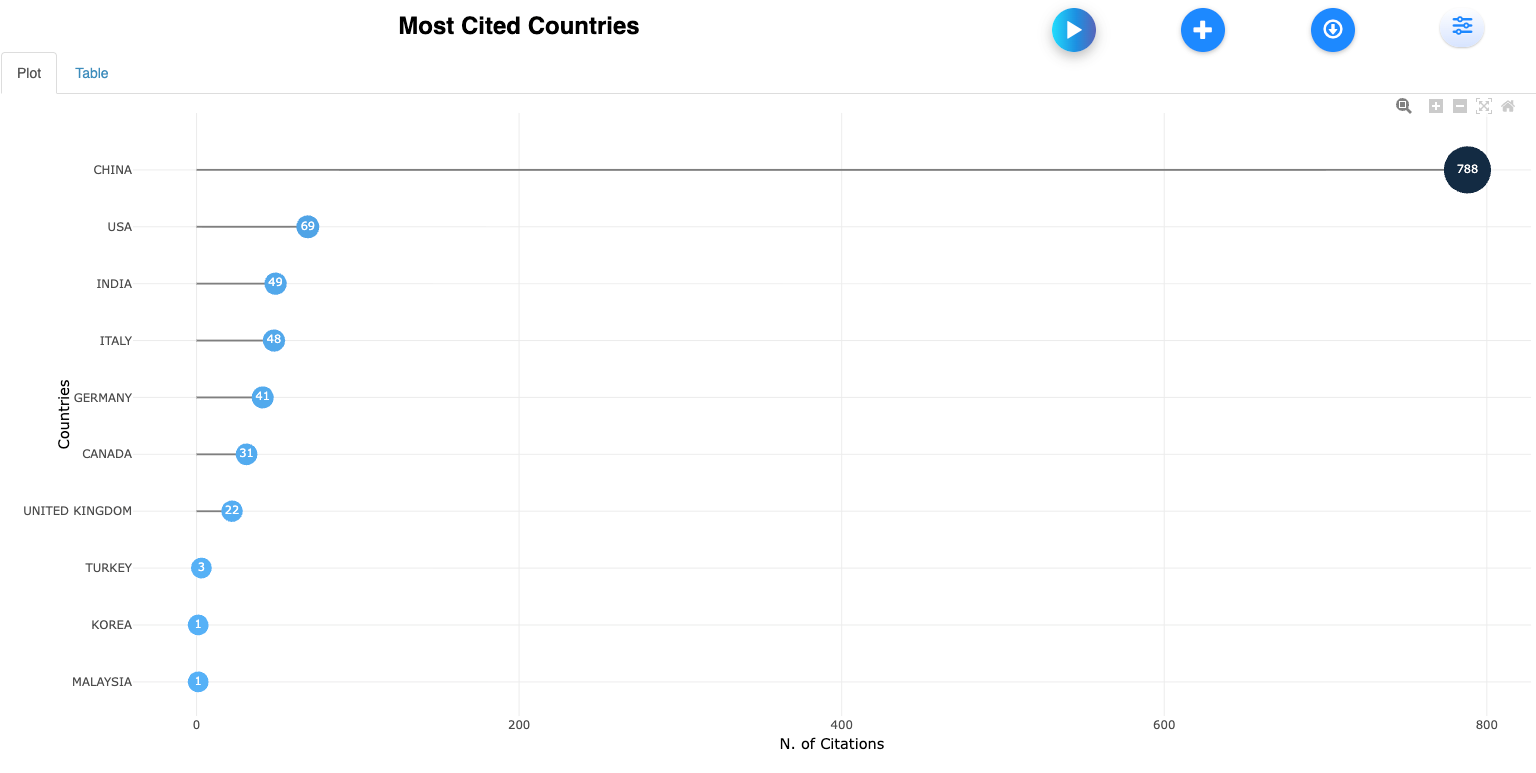
5. Country Collaboration Map: Global Research Architecture
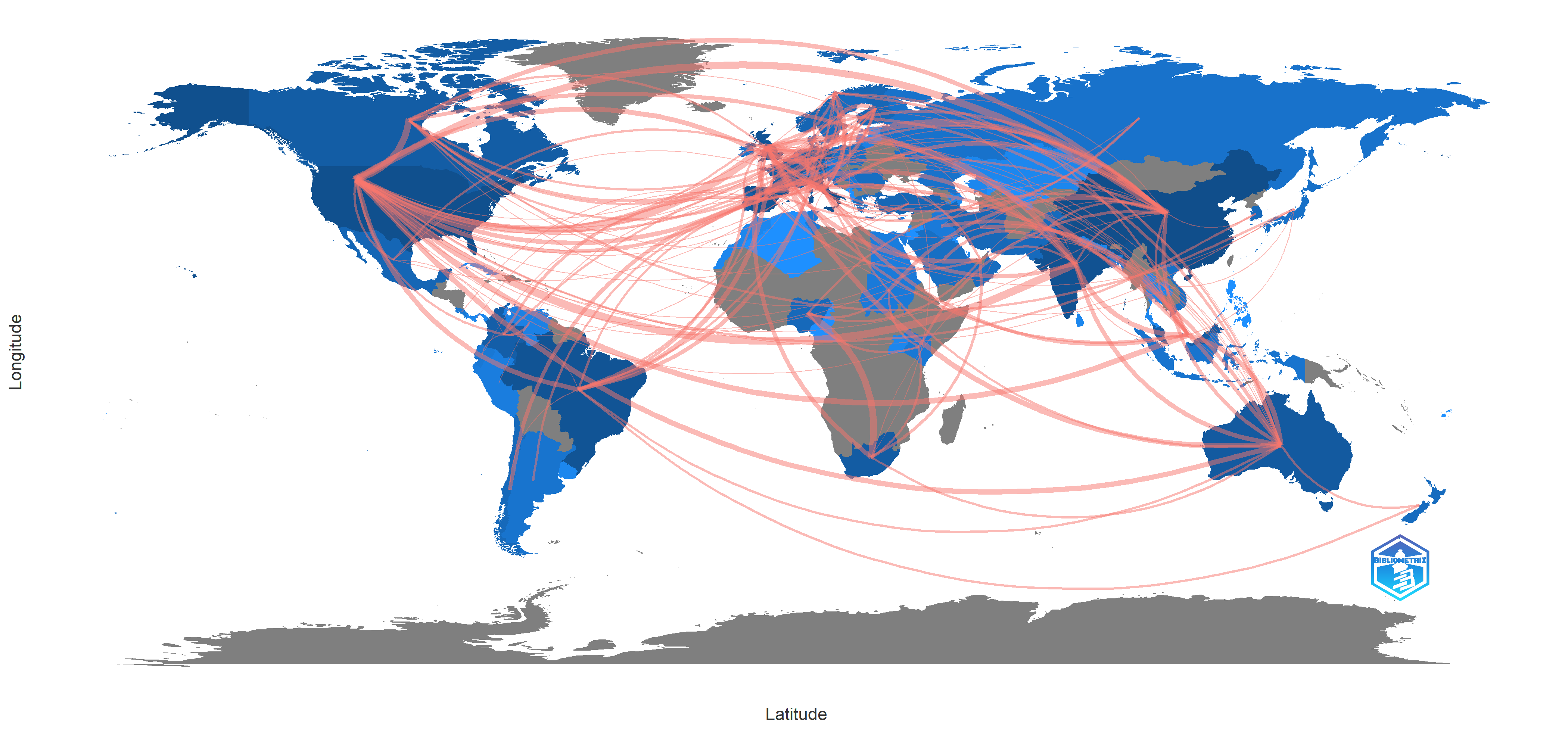

The Country Collaboration Map illustrates international research connectivity.
Key hubs include:
-
Western Europe
-
United States
-
China
-
Increasing cross-continental collaboration in sustainability research
This signals that digital transparency and circular governance are global competitiveness issues — not regional academic debates.
For emerging economies such as Mexico, this presents a strategic opportunity to integrate into global circular value chains via Digital Product Passport infrastructures.
Why This Bibliometric Analysis Matters
This mapping exercise demonstrates that:
-
Information asymmetry remains foundational in economic theory.
-
Circular economy research is structurally integrating digital governance tools.
-
Digital Product Passports sit at the convergence of:
-
Institutional economics
-
Data infrastructures
-
Circular business model innovation
-
Industrial competitiveness
-
My research builds on this intersection, proposing that DPPs function as governance infrastructures that enable dynamic capabilities (sensing–seizing–transforming) in circular markets.
Strategic Positioning Statement (For SEO Authority)
This analysis positions Digital Product Passports not as compliance tools, but as:
-
Information symmetry enablers
-
Transaction cost reducers
-
Trust-building infrastructures
-
Catalysts for circular business model innovation
Through rigorous bibliometric mapping using R and Bibliometrix, I contribute to advancing a scientific understanding of how digital governance infrastructures reshape supply chains and sustainable markets.
For full dataset methodology and extended analysis, visit:
👉 https://mcbravos.com/information-asymmetry-innovation-supply-chain-sources-business-economics/